The Church for a Changing Climate
In our final episode we explore how our churches can become places of resilience, belonging and practical action, helping us care for creation, support one another and face the challenges ahead together.
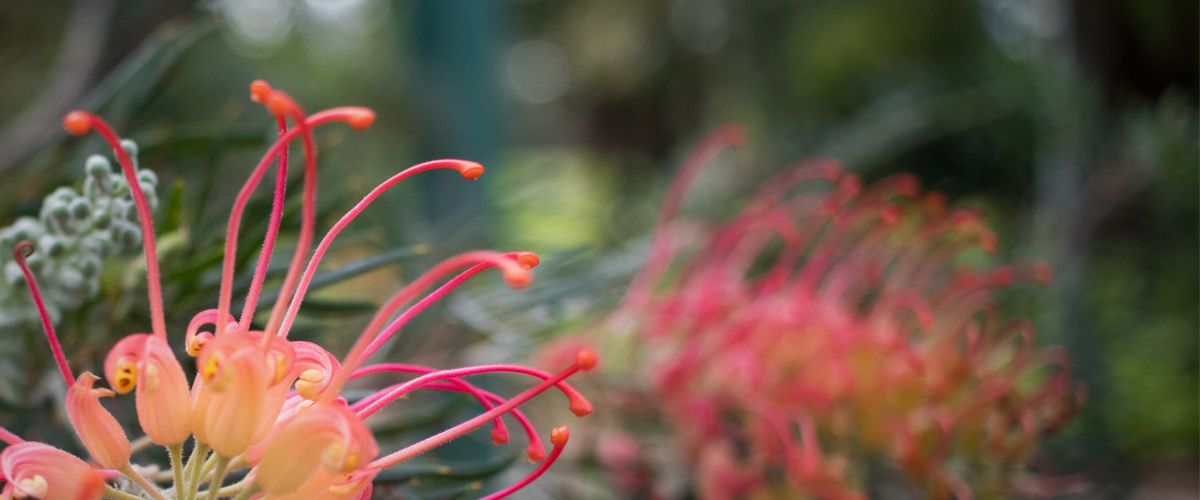
Gershon Nimbalker, Common Grace National Director, shares an invitation to support the work of Common Grace.
Since the horrific terrorist attack on the Jewish community in Bondi late last year, I’ve found myself wrestling with the question:
In the months that have followed, that question has only deepened. This past week we've seen protests erupt across Australia in response to the genocide in Gaza as Israel’s head of state visited our shores. Many of our political leaders and much of the media have pushed us toward a false choice: that we can either grieve the violence and trauma of Bondi, or mourn and protest the devastation and loss of life in Gaza, but that we cannot, somehow, do both.
Yet moments like this reveal something vital about who we are becoming together. They test our values and capacity for compassion, and expose how easily power can amplify our fears and fracture our social fabric rather than heal it.
It’s in moments like these that I’m reminded that the biggest struggle we face is spiritual; whether our hearts will keep widening, or slowly close in on themselves. Will we follow Jesus and love our neighbour as he called us to?
This challenge is at the heart of all injustice. In Australia we lock up children as young as ten instead of showing them care and support, we close our borders to people fleeing their homelands in search of safety, we ignore boundaries and exploit our planet beyond its limits, and we fail to adequately care for the women and children who are being harmed in their own homes. Fear, greed and indifference sees our hearts narrow and sin prevail. This world is so far from the one God intends.
Yet Jesus does not abandon us to this reality. He calls us to be a community shaped by love of neighbour, compassion for the vulnerable, and hope grounded in God’s renewing grace. Agents of Jesus shaped justice, in a world so dearly in need of it.
This is why Common Grace exists.
That kind of movement towards justice doesn’t happen overnight. It requires steady, faithful commitment.
The Common Grace movement works to inspire, equip and mobilise Christians and churches to participate in the sacred, long-term work of justice.
Common Grace works to:
Across diverse justice areas from justice for Aboriginal and Torres Strait Islander peoples, to ending domestic and family violence, welcoming people seeking asylum, caring for God’s beautiful creation, and seeking a nation shaped by compassion, your giving helps Christians engage faithfully, not fearfully.
Right now, thanks to one generous supporter, every new monthly gift will be matched dollar-for-dollar for the first 12 months, up to $10,000.
When you join Common Grace you join us as we partner with God to build a common home where all peoples and all creation can flourish.
When the world feels fractured and fragile, many of us feel drawn to respond with faith rather than fear.
We long for a justice that goes deeper than outrage and remains stronger than fear.
Choosing to follow Jesus faithfully in these times means committing ourselves — together — to the long, steady work of love.
Together, let’s choose the long, faithful work of love.

In our final episode we explore how our churches can become places of resilience, belonging and practical action, helping us care for creation, support one another and face the challenges ahead together.

In our third episode we explore climate grief, anxiety and Christian hope, and how we can face the climate crisis honestly while moving towards practical and loving action.
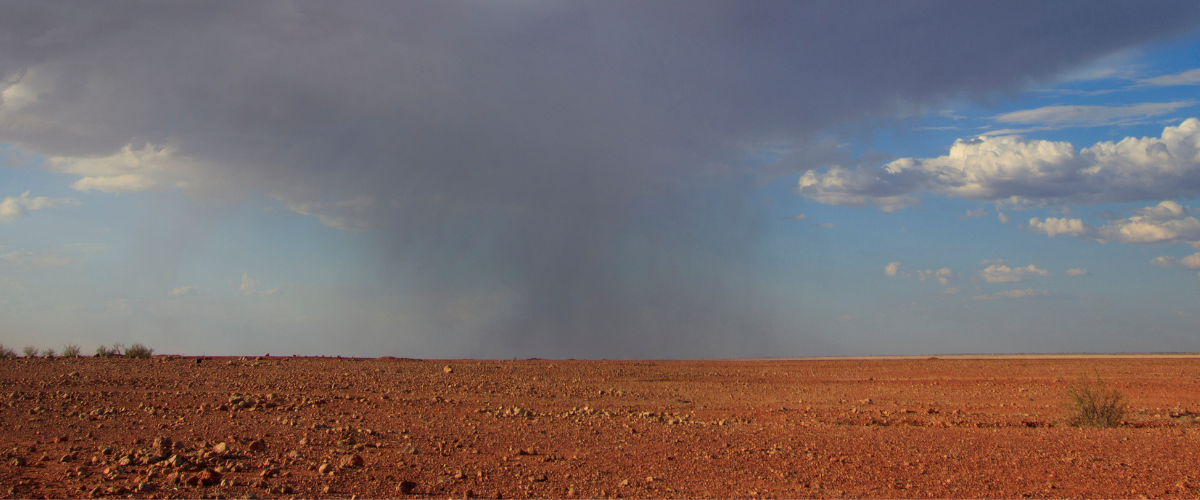
In our second episode, we explore some of the big theological questions climate change raises around God's sovereignty, human responsibility, and faithful action in times of crisis.
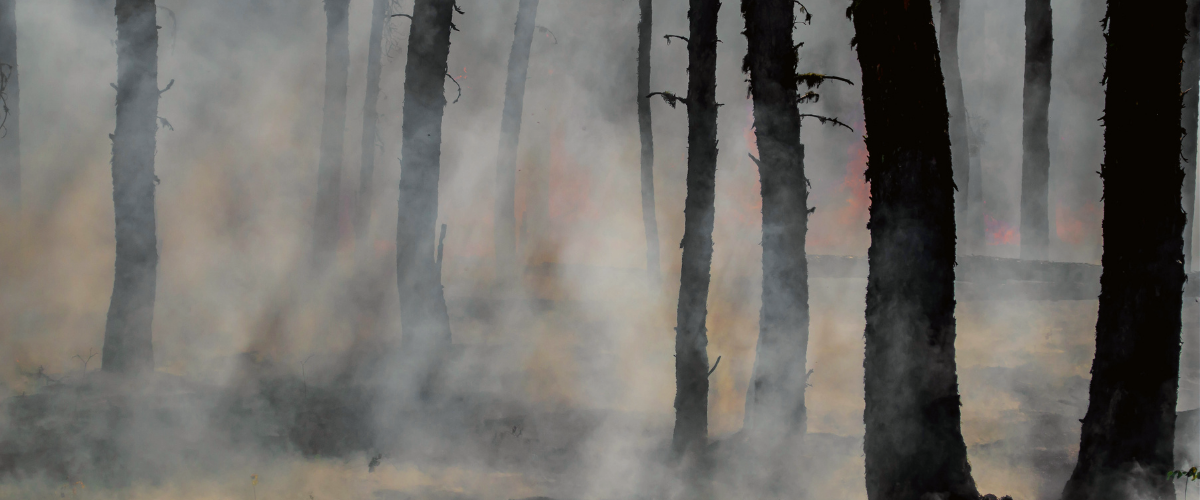
In our first episode we're asking: where are we and where are we going? Lets take stock of the current crisis we're in, and then, by listening to the science, to Country and to lived experience, imagine what a distinctly Christian stance towards the future might look like.