From Harm to Healing: Reimagining Scripture After Violence
Ellaina Welsman, Common Grace’s Domestic and Family Violence Justice Lead, speaks with Dr Rosie Clare Shorter and Dr Erin Hutton about their research on Reading the Bible After Violence.
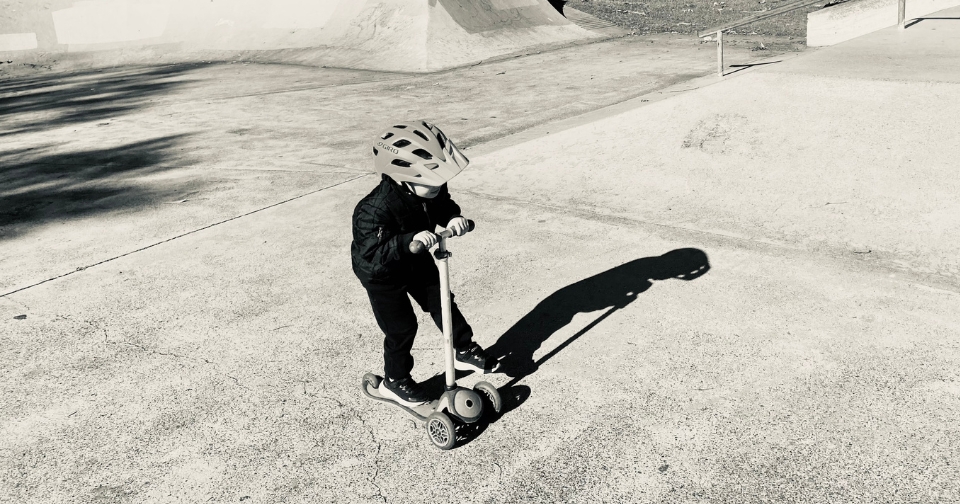
Ellaina Welsman reflects on raising a boy, the church's role to uphold safety, and challenge harmful gender stereotypes.
Last week, I stood watching my four-year-old son in his happy place…zooming across the local skatepark on his scooter. His joy made me smile. But behind my smile sat a question I can’t shake, since returning home from the Faith, Hope, Love Conference:
What will it take from me, from society, for him to grow up never using violence against the people he loves?
At what age will he first encounter pornography, with its distortions of love and power? What will shape his imagination of what it means to be a man? To be human?
The average age for a child to first see porn in Australia is now just 11 and a half. That’s only a handful of years away for him.
I felt the weight of that as I watched him glide down the ramp - full of life, still safe in his childhood. He doesn’t yet know the culture that wounds so many (men and women): violence disguised as strength, aggressive pornography distorting love, power misused.
I can’t shield him from everything. But I do have some power. Power to shape the stories he grows up with. Power to create a home where respect and kindness are the norm. Power to demonstrate a marriage where I am treated of equal worth, value and contribution to my husband; where roles in the home and outside the home are safely negotiated. Power to make sure my daughter, too, knows her worth is not up for negotiation.
These thoughts arose from me after returning from the Faith, Hope & Love Conference on Domestic and Family Violence in Naarm/Melbourne. Over two days I listened to the wisdom of survivors, theologians, psychologists, and pastors who know both the heartbreak and the hope of this space.
And I realised again: the church has such potential to be a place where love and justice is made real. Where children have a space to grow up seeing men and women relating with dignity, not dominance. Where the stories told in sermons and small groups dismantle the lies of entitlement and control. Where young people are taught that forgiveness never means excusing harm, and that faithfulness is never a reason to stay in danger.
But the truth is: church culture can also be unsafe. It can protect the institution rather than genuinely love people. It can silence victims with misplaced loyalty. It can reinforce coercion and control through bad theology and unchecked power.
That’s why this matters so deeply. Because the way we live as churches will shape the world our children inherit.
At the skate park, I picture my son racing ahead into a future I can’t fully see. My prayer is that as he grows, he will find a faith not just rules or rituals, but a living witness to love that heals, protects, and allows all people to flourish.
And that takes all of us.
If you are part of a church, I wonder: how is your community speaking about domestic and family violence? Do people know where to turn for help? Are young people being equipped to resist the violent scripts our culture normalises?
These are not side issues. They are part of what discipleship must be. Surely for the gospel to be ‘good news’ to the poor, it must be good news for women who are undervalued, unseen, not believed or considered equal.
For Jesus, protecting the vulnerable was never optional. He dignified women (Luke 7:36 - 50), elevated children (Matthew 19:14), and confronted those who misused power (Luke 13:10-17). If we are to follow Him, our churches must do the same.
Because one day soon my son will be old enough to face the world’s brokenness. My daughter too. And I want them both to know that the Church and Christianity is a space and faith that courageously resists violence. That is not silent, but speaking clearly about love, but also about healthy boundaries; healthy relationships. Not complicit in a culture that values men over women, but compassionate towards the oppressed and brave to challenge harmful cultural norms.
At the Faith, Hope, Love Conference, Christians across Australia came together to sit in lament and grief, to rediscover justice-shaped love, and practice taking a more active role in preventing violence.
That is the kind of church I long for. That is the kind of church we are called to be.
Together, we can help raise a generation shaped not by violence, but by dignity, love, and grace.
Ellaina Welsman, Common Grace’s Domestic and Family Violence Justice Lead, speaks with Dr Rosie Clare Shorter and Dr Erin Hutton about their research on Reading the Bible After Violence.

Ellaina Welsman, Common Grace's Community Engagement Manager, and Domestic and Family Violence Justice Coordinator, reflects on the stories we tell about gender and why they matter.
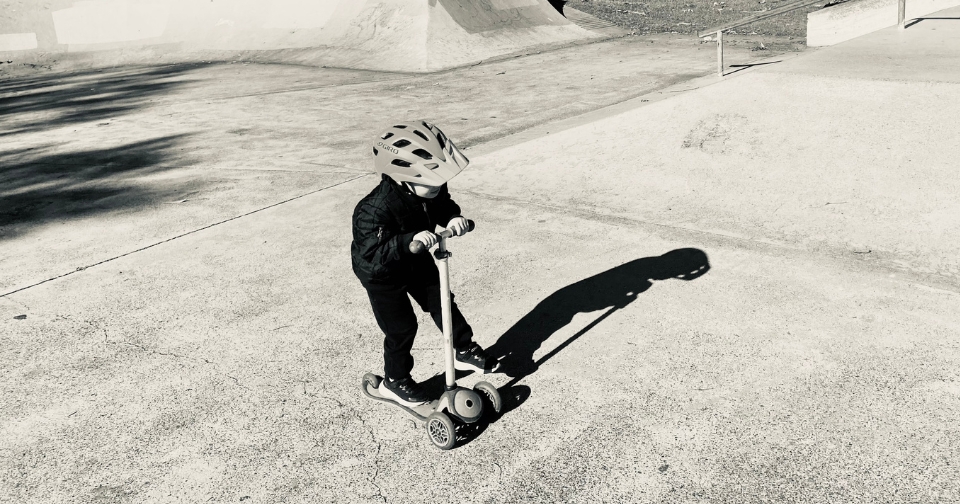
Ellaina Welsman reflects on raising a boy, the church's role to uphold safety, and challenge harmful gender stereotypes.

We are thrilled to announce the appointment of Ellaina Welsman as the new Domestic and Family Violence Justice Coordinator. Ellaina is deeply passionate about seeing churches commit to and make steps towards ending violence against women.