Justice in the Church
A Vision for a Healthy Church
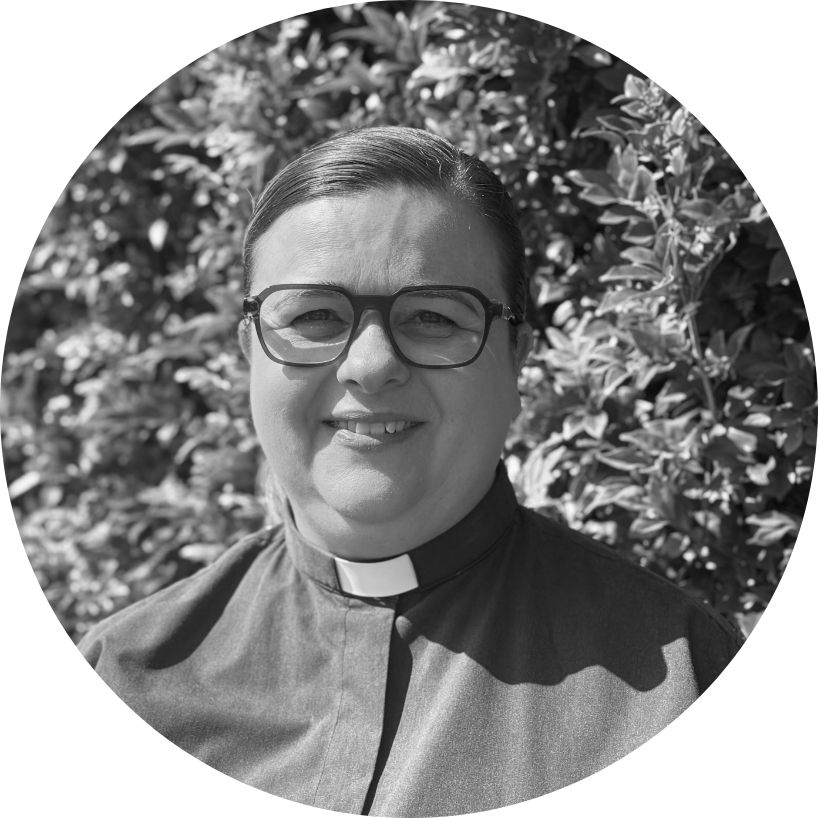
MELANIE WHALLEY
Justice in the Church begins with recognising and embedding the lived expertise of victim-survivors. Too often, misogyny and patriarchy have led to the misconception that victim-survivors are damaged, less than, or lacking capacity. Yet this is far from the truth. Victim-survivors are all around us in every profession and community. Their lived expertise is not only a testimony of resilience but a resource that holds us accountable in the work of justice.
When the Church engages victim-survivors meaningfully, we not only listen to their wisdom but allow their experiences to reshape our commitments to justice. Judith Herman, author of Truth and Repair: How Trauma Survivors Envision Justice, observes: “Extraordinary survivors, recognising that their suffering is part of a much larger social problem, are able to transform the meaning of their trauma by making their stories a gift to others and by joining with others to seek a better world.” The Church can be such a place of hope helping victim-survivors achieve safety, offering referrals to services, and recognising how our responses shape their healing.
In the work of remembrance and mourning, lament gives us a faithful path. The psalms model lament, teaching us to bring sorrow, disorientation, and anger before God. Lament makes space for grief at the devastation caused by sin and violence, acknowledging painful truths rather than denying them. It is only in truth-telling that healing becomes possible.
At the heart of justice is also the work of repentance. John the Baptist declares in Luke 3:8: “Bear fruits worthy of repentance.” Repentance is not just apology or remorse, but transformation that bears visible fruit. It brings peace and restoration, whether for individuals or for the Church.
For those who use abuse, repentance must be lifelong: turning back to God, committing to transformation, and refusing to harm again. Men’s behavioural change work mirrors this reality, repentance is not a single act, but a journey of daily choices and accountability. The Church, too, must repent of misusing power and perpetuating harm in the name of God. As Herman warns, the silence of institutions and inaction of bystanders often cause deeper wounds than the violence itself. If trauma arises from injustice, then healing must involve repair through justice.
A vision for justice in the Church:
- A Church where those who use abuse are held accountable.
- A Church committed to prevention and response.
- A Church that listens and learns from truth-telling.
- A Church with sound theology that promotes healthy relationships.
- A Church that prevents and responds to spiritual abuse and victim-blaming.
- A Church that gives empowerment, choice, and voice to victim-survivors.
- A Church that believes victim-survivors, honours their resilience, and provides safety and sanctuary.
In Jesus Christ, God not only proclaims care for the oppressed but demonstrates it, hearing, seeing, and standing with those who suffer. This is our hope: that the Church may be a place of justice, sanctuary, and healing.
Go Deeper
One way your Church community can achieve justice is through training by Anglican Church of Australia called ‘Communities that Care’ Faithful Bystanding Practices for Churches https://www.tencommitments.org.au/training
Reflect:
In what ways am I personally listening to and learning from the experiences of victim-survivors, and how might I act to support justice, safety, and healing in my own community?
Melanie Whalley is a Parish Priest in Toronto, NSW, on the lands of the Awabakal people. She serves on the Newcastle Anglican Domestic and Family Abuse Working Group, the board of Mum’s Cottage, and co-wrote the 'Communities that Care' Bystanding course. Melanie holds a Bachelor of Theology, postgraduate studies in Gender-Based Violence, and is passionate about justice, advocacy, and supporting the most vulnerable.
Follow Melanie on Facebook @TorontoAnglicanChurch and @NewcastleAnglican
Connect with Melanie on LinkedIn @MelanieWhalley
About this series
Healthy Relationships is Common Grace's daily blog series during 16 Days of Activism Against Gender-Based Violence, 25 November to 10 December 2025. Encourage your friends, family and faith community to sign up here.
The following Domestic and Family Violence support services are available:
Learn more about Domestic and Family Violence from Common Grace's SAFER Resource