The First Light of Hope
Dr Justine Toh opens our Advent 2025 series with a reflection on the way love breaks through, just as light breaks through the darkness.
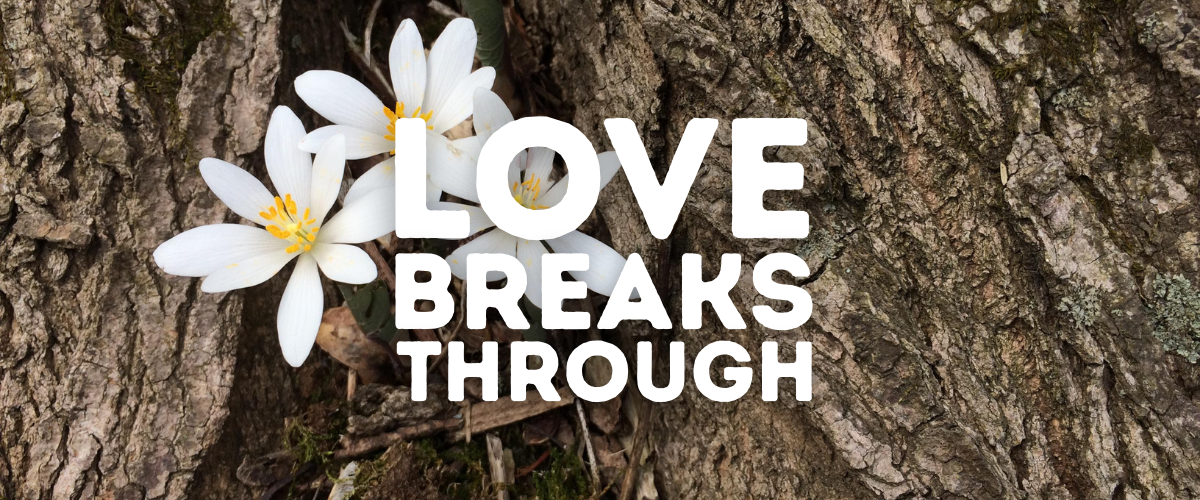
Danielle Terceiro reflects on God’s "sweet greening power" in the midst of all our desolate wilderness experiences.

DANIELLE TERCEIRO
For our ninth Advent 2025 devotional, Danielle Terceiro reflects on God’s "sweet greening power" in the midst of all our desolate wilderness experiences.
The wilderness and the dry land shall be glad,
the desert shall rejoice and blossom;
like the crocus it shall blossom abundantly,
and rejoice with joy and singing.
The glory of Lebanon shall be given to it,
the majesty of Carmel and Sharon.
They shall see the glory of the Lord,
the majesty of our God.Strengthen the weak hands,
and make firm the feeble knees.
Say to those who are of a fearful heart,
‘Be strong, do not fear!
Here is your God.
He will come with vengeance,
with terrible recompense.
He will come and save you.’Then the eyes of the blind shall be opened,
and the ears of the deaf unstopped;
then the lame shall leap like a deer,
and the tongue of the speechless sing for joy.
For waters shall break forth in the wilderness,
and streams in the desert;
the burning sand shall become a pool,
and the thirsty ground springs of water;
the haunt of jackals shall become a swamp,
the grass shall become reeds and rushes.A highway shall be there,
and it shall be called the Holy Way;
the unclean shall not travel on it,
but it shall be for God’s people;
no traveller, not even fools, shall go astray.
No lion shall be there,
nor shall any ravenous beast come up on it;
they shall not be found there,
but the redeemed shall walk there.
And the ransomed of the Lord shall return,
and come to Zion with singing;
everlasting joy shall be upon their heads;
they shall obtain joy and gladness,
and sorrow and sighing shall flee away.Isaiah 35:1-10
If I were still an English teacher I would point out the first literary technique in this passage: Isaiah “personifies” the landscape by saying that it is “glad”.
It’s a poetic turn of phrase, emphasising the things that are happening to the landscape that make it a happy place for humans: the crocus blooms; spring water bubbles up; grass and reeds and papyrus cover the barren haunts that used to be prowled by predators. People can make their way home without fear of being mauled by a lion — that’s a pretty “glad” fact. But the land is not literally happy.
Or is it? Can a parched desert, a wilderness, actually be happy?
Let’s try and step out of our human-centred perspective for a second.
Hildegard of Bingen (1098-1179), the German gardener and mystic, can help us do that. Hildegard paints a beautifully garden-centred picture of God’s restorative action in the world: Love streams down with the outpouring water of the Holy Spirit, and in this love is the peace of God’s goodness. And humility prepares a garden with all the fruit-bearing trees of God’s grace, containing all the green of God’s gifts.
Hildegard thought that everything is “greened” through the power of the Holy Spirit: humans, creatures, the earth, the cosmos. All of creation can show God’s creative love and goodness, this divine “green-ness”. Plants are particularly good at putting this green-ness on visual display. Humans, by contrast, were created to be green, but we have become shrivelled and dry, drained of our original verdancy.
The earth can be happy, then, in its green-ness. And humans can be made happy again, because God wants to give them “all the green” of his gifts.
We can take our cue from Hildegard, again, who spots: The majesty of the Divine, who in sweet greening power sent the Word into the womb of the Virgin, from whom he took flesh, as the honey is built around the honeycomb.
Hildegard thinks that Mary is expecting a very sweet baby!
Jesus’ humble birth puts God’s majestic love for everyone and everything on display — Jesus is green-ness incarnate. His divine love is restorative. God’s “sweet greening power” is creating something new in the midst of all our desolate wilderness experiences. Jesus is the divine green gift to us all.
Danielle Terceiro is a 2025 Fellow at Anglican Deaconess Ministries, writing a book on the Holy Fool in the 21st century. She enjoys reading novels and memoirs that give the perspective of an outsider, the person who doesn’t automatically accept cultural norms.
__________
Common Grace is a diverse movement of individuals, churches and communities passionate about Jesus and justice. We have come together as those from different Christian traditions who stand in the continuity of the historic Christian faith, centred on the life, death and resurrection of our Lord Jesus Christ as witnessed to in holy scripture. This series highlights the diversity of followers of Jesus across these lands. These voices may not agree with one another (or with you), but they are each an expression of longing for the God whose love we see break through in Jesus.
Sign up here to receive this daily series delivered to your inbox.
Dr Justine Toh opens our Advent 2025 series with a reflection on the way love breaks through, just as light breaks through the darkness.

Dr Mick Pope shares God’s vision for a just world where swords will be beaten into ploughshares and war will be no more.

Rev Jason Forbes invites us into unwavering devotion to the one who brings righteousness and peace.

Charles Louwrens - challenged by the experiences of the refugees and asylum seekers he works alongside - urges us to resist the darkness of despair and trust in God’s promise of a new day.

Rev Tim Costello reminds us of God’s constant presence, even in the midst of despair.
Jono Ingram invites us to see that beneath destruction and despair, God’s love persists, bringing hope and new life.
For our seventh Advent 2025 devotional, Luke Vassella explores John the Baptist’s fiery call to repentance and the redeeming grace that reshapes our hearts when love breaks through.
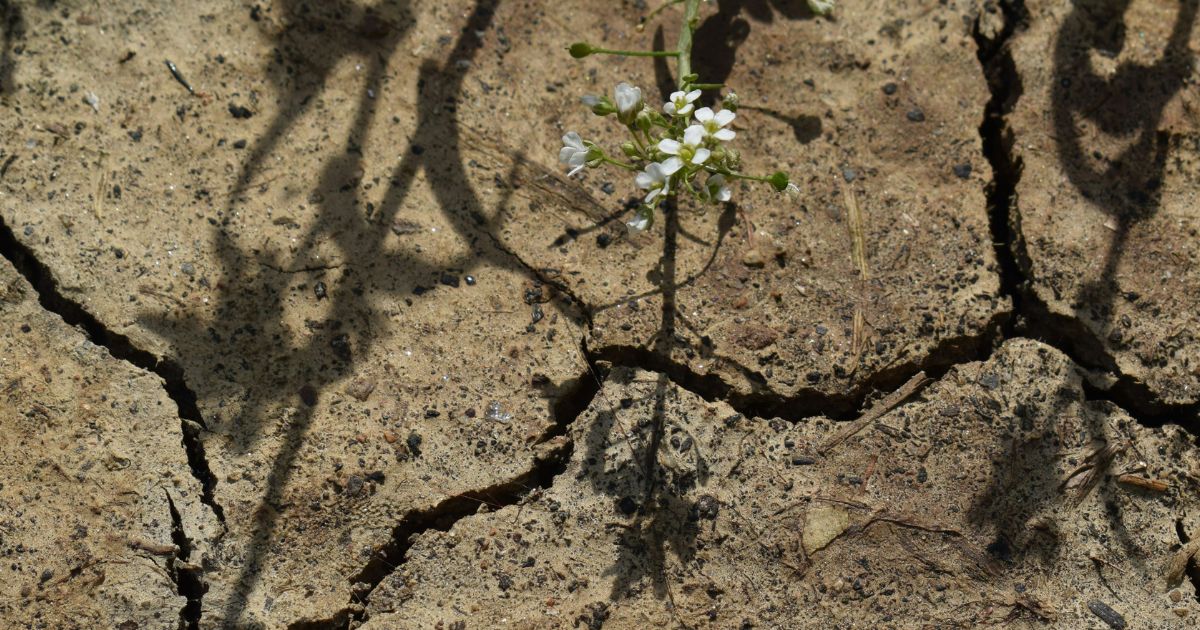
Deni Harden reflects on the Advent call to action - to shine God’s love, light and hope across every boundary, nation and heart.
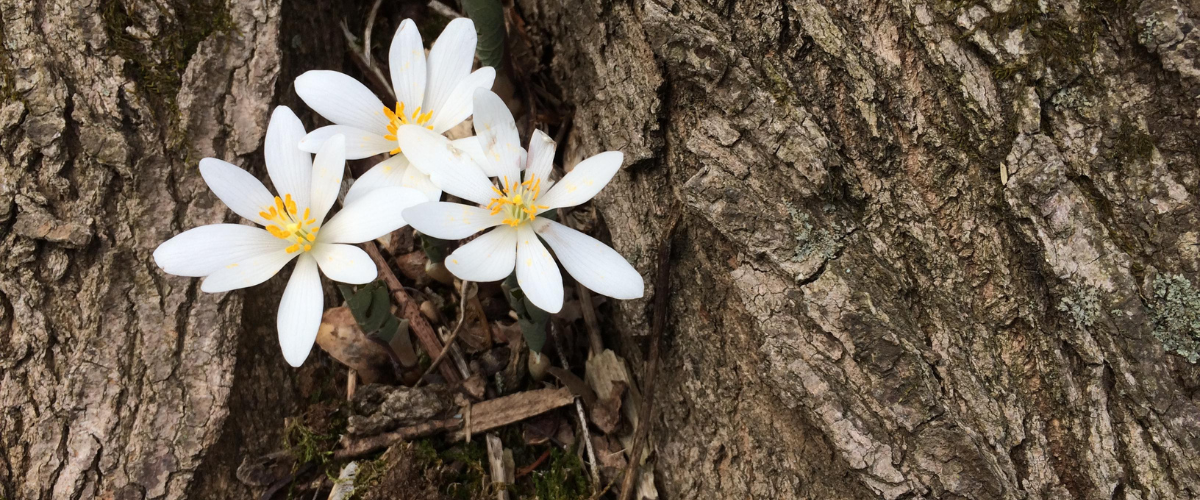
Danielle Terceiro reflects on God’s "sweet greening power" in the midst of all our desolate wilderness experiences.

Lynda Dunstan reminds us that in a world weighed down by suffering, God’s faithful love brings comfort, justice, and hope.

Dr Phillipa McCormack reflects on grief, hope, and obedience as we wait with creation for God’s justice and healing.
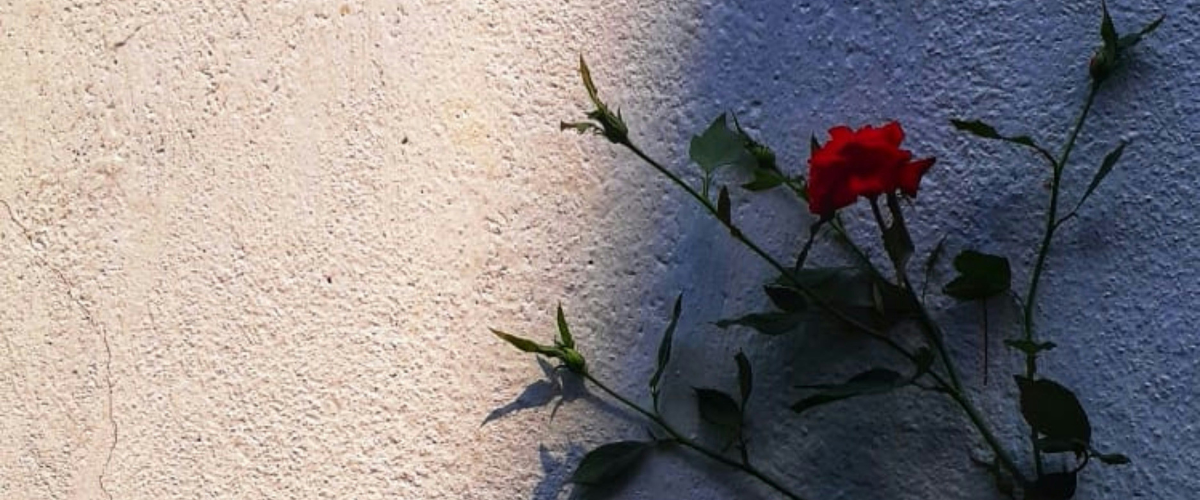
Eliza Johnson reflects on how the kingdom of God is revealed, not through force or fury, but through patient and tender acts of love, mercy and hope.

Aunty Professor Dr Doseena Fergie reflects on how God brings light and hope through unexpected and humble beginnings.
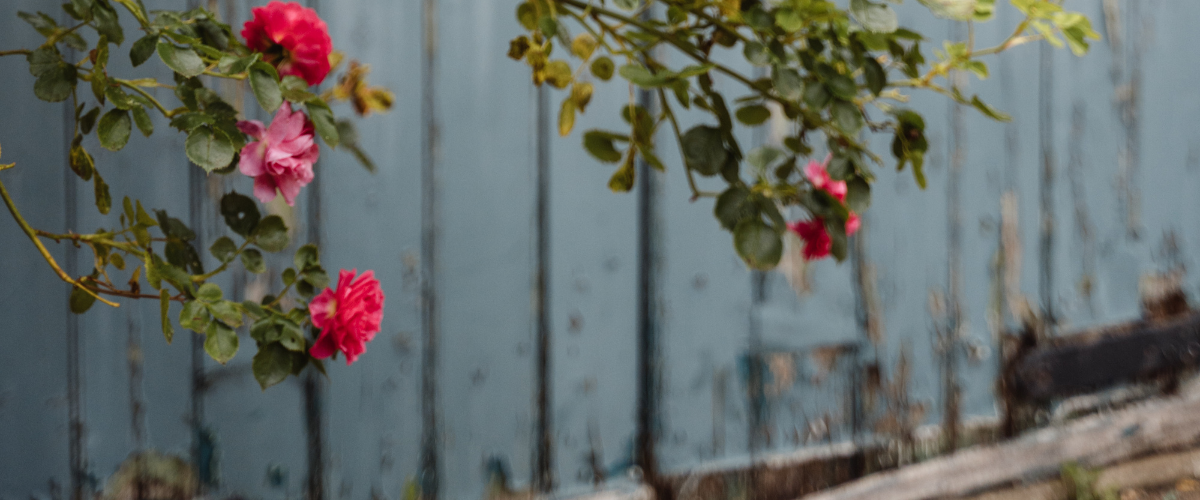
Safina Stewart reflects on Mary’s tender encounter with God’s messenger - where love breaks through in a brave, openhearted “yes” that changes everything.
Hsu-Ann Khoury reflects on the joy and comfort God’s revelation brings, even in challenging times.
Rev Belinda Groves shares a model of reading in reverse, which helps us see the world God made in a different way.

Pastor Darren Garlett shares with us the quiet joy that overflows when God’s love breaks through.
Nathan Campbell reflects on Zechariah’s prophecy, revealing a saviour who conquers not by force but through love.
Guan Un reminds us that God’s love breaks through in unexpected places, where even the most overlooked and unlikely can become bearers of good news.

Glen Spencer reminds us that, like John the Baptist, we are called not to be the light, but to bear witness to it - through solidarity, humility, and shared liberation.

Jasmine Wrangles reminds us that Jesus holds all things together - sorrow and joy, life and death, pain and hope - and deep in the depths, love breaks through.

Eric and Carolyn Hatfield remind us that even in the mess and brokenness of life, God’s love - unfailing, unbounded, enduring - will always break through.

Steff Fenton shares how Advent reveals a God whose love expands our imagination and calls us into justice, reconciliation and belonging.
Jessica Carroll Smith points to the Advent hope we carry in a world of heat waves, heartache and hungering for God to tear open the heavens.

Gershon Nimbalker shares how Christ’s love breaks through and meets us in all of life’s fractures.